
Yoga: The Whole Manual for a Balanced Life, a Calm Mind, and a Healthy Body
Overview of Yoga
People are dealing with a growing number of health issues in today’s fast-paced digital lifestyle, including stress, anxiety, obesity, back pain, and lifestyle diseases. Excessive screen time, poor dietary habits, long work hours, and inactivity have all had a detrimental impact on mental and physical health.
Yoga has become one of the best and most natural approaches to get inner calm and general wellness in such circumstances. Yoga is a holistic lifestyle practice that nourishes the body, mind, and spirit; it is more than just an exercise regimen. Frequent yoga practice enhances cerebral clarity, emotional equilibrium, strength, flexibility, and general quality of life. For this reason, yoga is now practiced all over the world.
Table of Contents
What Is Yoga?
The Sanskrit root “Yuj,” which means to merge or join, is where the word yoga originates. The integration of body, mind, and soul is referred to as yoga. It is a way of living that enables people to stay in balance both with their surroundings and with themselves.
Core Elements of Yoga
Yoga encompasses more than just physical poses. It consists of:
- Physical Postures (Asanas)
- Pranayama (Breathing Exercises)
- Dhyana (Meditation)
- Moral Self-Control (Yama and Niyama)
When combined, these exercises promote mental clarity, emotional stability, physical health, and spiritual development.
Origins and History of Yoga
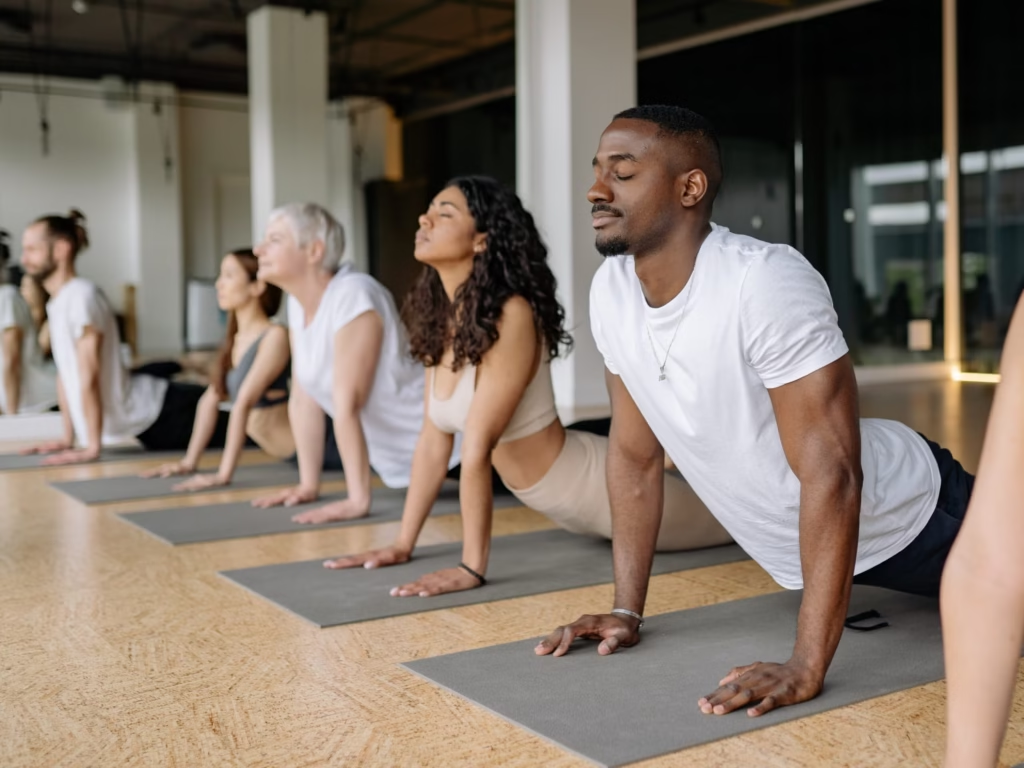
Over 5,000 years ago, in ancient India, yoga first appeared. It has strong roots in Indian spiritual traditions and philosophy. Ancient writings like the Vedas, Upanishads, Bhagavad Gita, and Patanjali’s Yoga Sutras contain references to yoga.
Modern yoga practices are based on Ashtanga Yoga, an eight-fold approach systematized by Maharshi Patanjali. Yoga is now well known throughout the world, and June 21st is designated as International Yoga Day each year.
Types of Yoga
Yoga comes in a variety of forms, each of which serves distinct fitness and health objectives. People can select the style that best fits their requirements and skills.
Hatha Yoga
The most popular and accessible style of yoga is Hatha Yoga. It emphasizes fundamental postures and breathing techniques to enhance balance and flexibility.
Ashtanga Yoga
A dynamic, physically taxing kind of yoga that adheres to a set posture sequence. It increases discipline, strength, and endurance.
Vinyasa Yoga
This style of yoga incorporates fluid posture changes that are synchronized with breathing. It enhances cardiovascular health, flexibility, and coordination.
Power Yoga
A contemporary style of yoga that emphasizes endurance, strength, and weight loss. Fitness lovers love it.
Kundalini Yoga
This type of yoga focuses on using breathing, chanting, and meditation to awaken inner energy.
Yin Yoga
A slow, deep stretching yoga practice that enhances joint mobility and targets connective tissues.
Importance of Yoga in Everyday Life
Yoga is essential to leading a healthy lifestyle. Daily yoga practice keeps people emotionally resilient, psychologically at ease, and physically active. Yoga is easy on the body and appropriate for people of all ages, in contrast to strenuous exercise.
A healthy life requires the development of self-discipline, patience, positive thinking, and self-awareness, all of which yoga fosters.
Physical Benefits of Yoga
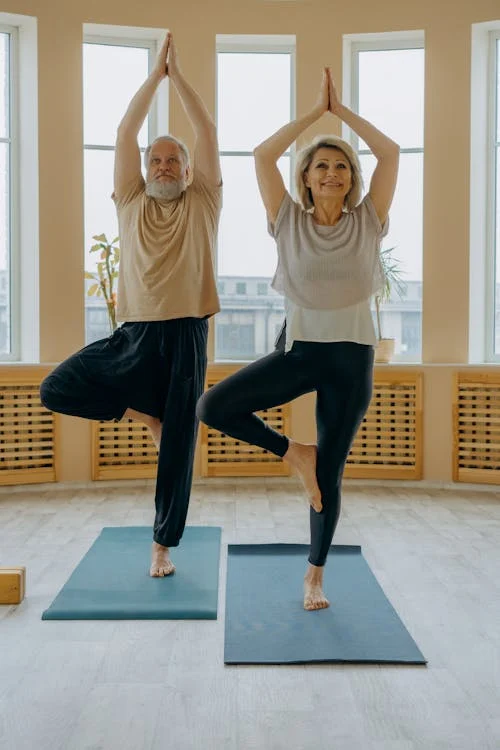
Frequent yoga practice has many advantages for physical health, such as:
- Increases mobility and flexibility
- Increases muscle tone and strength
- Improves body alignment and posture
- Promotes metabolism and weight reduction
- Increases immunity
- Enhances gut health and digestion
- Lessens stiffness, joint pain, and back pain
- Enhances heart and respiratory health
Yoga helps prevent lifestyle ailments such as diabetes, high blood pressure, obesity, and heart issues.
Mental and Emotional Benefits of Yoga
Yoga has equal benefits for mental and emotional health. Among the main advantages are:
- Lessens depression, anxiety, and stress
- Increases focus and concentration
- Improves emotional stability
- Enhances sleep quality
- Increases self-assurance and self-control
- Soothes the nervous system
Yoga breathing exercises and meditation help reduce mental stress and foster inner tranquility.
Yoga for Weight Loss
Yoga is a durable and successful natural weight loss method. It enhances metabolism, reduces emotional eating, and burns calories. Forms like Ashtanga Yoga, Vinyasa Yoga, and Power Yoga are particularly helpful for managing weight.
Yoga is a long-term strategy for healthy weight loss since it balances hormones and reduces stress-related weight gain.
Yoga for Stress Reduction
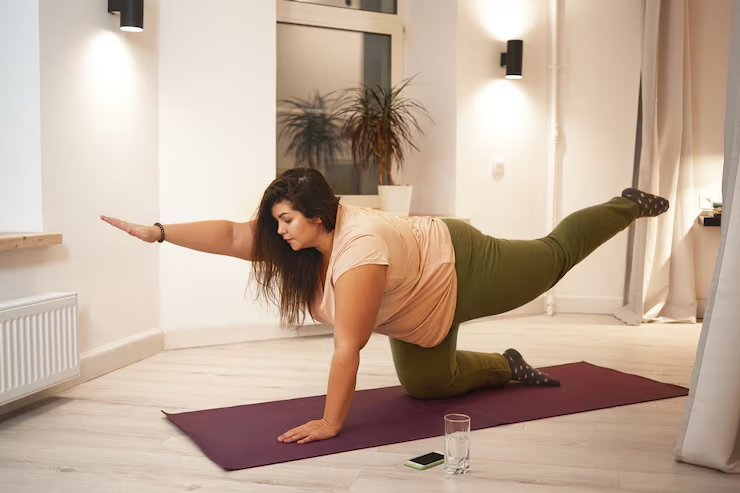
Stress reduction is one of yoga’s biggest advantages. Pranayama and meditation lower cortisol levels in the body, quiet the mind, and slow breathing.
Practices such as Anulom Vilom, Bhramari Pranayama, and guided meditation help manage emotional stress, mental exhaustion, and work pressure.
Yoga for Strength and Flexibility
By stretching muscles and increasing joint mobility, yoga improves flexibility. By using a variety of muscle groups, it simultaneously increases functional strength.
Yoga strengthens the body without putting undue strain on it, making it perfect for injury prevention and recovery when compared to weight training.
How to Start Practicing Yoga
If you’ve never done yoga before, consider these suggestions:
- Start with simple poses
- Practice on an empty stomach
- Continue breathing correctly
- Be steady rather than aggressive
- Learn from a qualified teacher or reliable online resources
When practicing yoga, consistency is more crucial than intensity.

Role of Yoga in a Healthy Lifestyle
Living mindfully is encouraged by yoga. It promotes good habits such as adequate sleep, a balanced diet, positive thinking, and self-care. People who practice yoga are better able to connect with their inner selves and lead more mindful, disciplined lives.
Conclusion
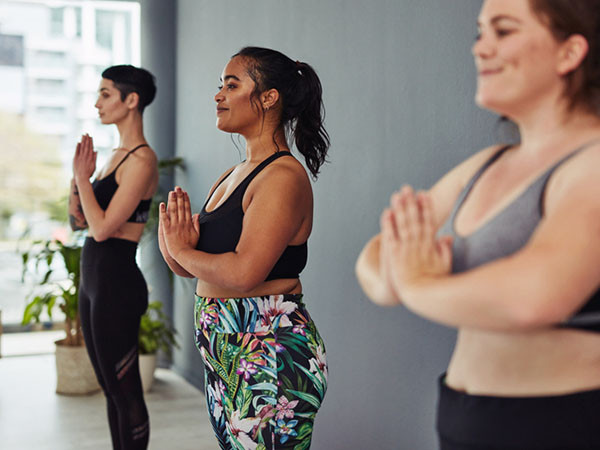
Yoga is an age-old discipline that offers many advantages for mental clarity, emotional balance, and physical well-being. In a world full of stress and unhealthy habits, yoga provides a natural route to happiness and wellness.
By integrating yoga into daily life, people can achieve long-term health, inner peace, and overall well-being. Whether your goal is weight loss, stress reduction, flexibility, or mindfulness, yoga is the ideal path to a happier and more balanced life.