
Morning Workout at Home: A Trainer’s Guide to Starting Your Day Strong
A morning workout at home is one of the simplest ways to improve your physical fitness, boost your energy, and develop a healthier lifestyle. You don’t need an expensive gym membership or advanced equipment to stay active. With a small space, a few minutes of dedication, and the right guidance, you can build strength, improve endurance, and feel more energized every day.
Many people struggle to find time for exercise because of busy work schedules, family responsibilities, or long commutes. Working out at home in the morning eliminates many of these barriers. It allows you to exercise before daily distractions begin, helping you stay consistent with your fitness routine.
As a trainer, I always recommend focusing on consistency rather than intensity, especially if you’re just starting your fitness journey. A well-planned morning workout not only strengthens your muscles but also improves your heart health, supports weight management, and enhances mental focus throughout the day.
In this guide, you’ll discover the benefits of a morning workout at home, learn how to prepare for your sessions, and follow a trainer-approved workout routine suitable for beginners and intermediate fitness enthusiasts.

The Benefits of Working Out at Home in the Morning
Fits Easily Into a Busy Schedule
One of the biggest reasons people skip exercise is a lack of time. Completing your workout early in the morning helps you avoid unexpected meetings, family commitments, or evening fatigue that often interfere with fitness plans.
You can complete your workout before breakfast and begin your day with a sense of accomplishment rather than attempting to fit it in after a demanding day.
Boosts Energy and Productivity
Contrary to what many people believe, exercising in the morning doesn’t drain your energy—it increases it. Physical activity improves blood circulation, delivers oxygen to your muscles and brain, and helps you feel more alert throughout the day.
Even a 20- to 30-minute at-home workout can boost productivity, enhance focus, and lessen lethargy.
Improves Mental Focus Throughout the Day
Morning exercise stimulates the release of endorphins, often called the body’s “feel-good” hormones. These natural chemicals help reduce stress, improve mood, and support better mental clarity.
If you work from home or spend long hours at a desk, beginning your day with exercise can help you stay focused and motivated.
Encourages Long-Term Fitness Habits
Building a habit becomes easier when exercise is part of your morning routine. Once you consistently work out at the same time every day, it gradually becomes a natural part of your lifestyle.
Exercising in the morning also lowers the likelihood of missing workouts because of unforeseen circumstances later in the day.
Benefits of a Morning Workout at Home
Supports Weight Management
Exercise in the morning improves your metabolism and raises calorie expenditure. A regular exercise regimen can help with long-term weight control when combined with a balanced diet.
Bodyweight exercises such as squats, lunges, push-ups, and mountain climbers engage multiple muscle groups, helping you burn calories efficiently.
Builds Strength Without a Gym
Many effective strength-building exercises require no equipment at all. Your body weight provides enough resistance to develop muscle strength and endurance.
Exercises like push-ups, planks, squats, and glute bridges strengthen your upper body, lower body, and core simultaneously.
Improves Cardiovascular Health
Cardio exercises performed at home improve heart function, increase lung capacity, and enhance overall endurance.
Activities such as jumping jacks, high knees, and burpees elevate your heart rate, making your cardiovascular system stronger over time.
Enhances Flexibility and Mobility
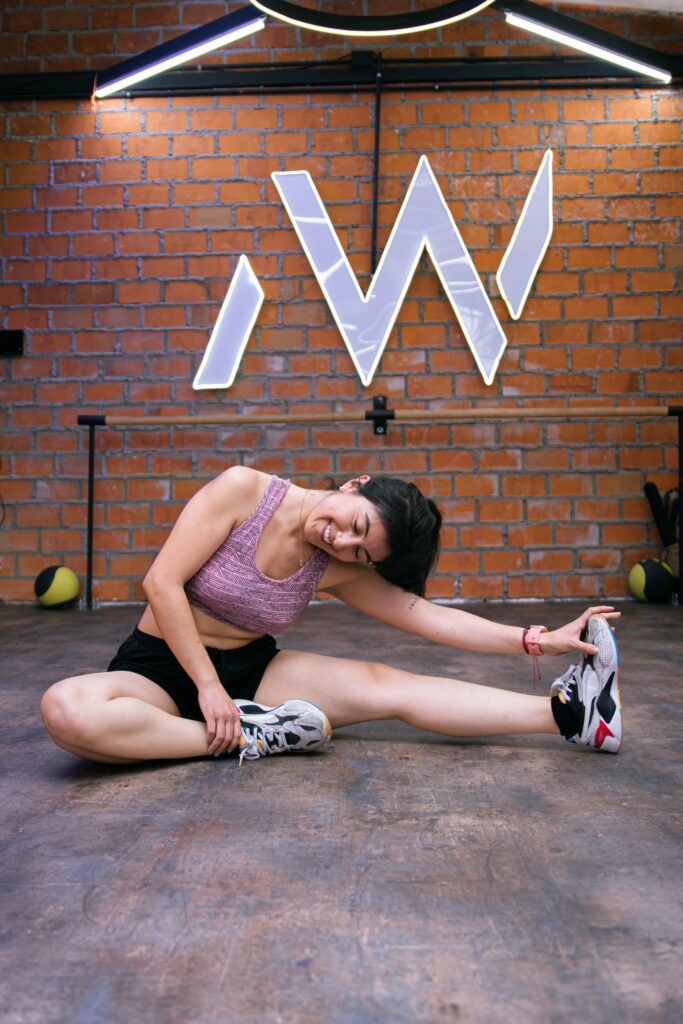
Adding stretching exercises before and after your workout improves flexibility, increases joint mobility, and reduces muscle stiffness.
Better mobility also lowers the risk of injury during daily activities and exercise.
Reduces Stress and Improves Mood
One of the best natural ways to reduce stress is through physical activity. Exercise in the morning enhances emotional health, lowers anxiety, and fosters optimism before the day starts.
Many people notice they feel calmer and more confident after exercising regularly.
Promotes Better Sleep Quality
Your body’s internal clock can be regulated with regular morning exercise. Regular exercisers frequently get deeper, more peaceful sleep, which makes it simpler to recuperate and get ready for the following day.
How to Prepare for Your Morning Workout
Wake Up Early and Stay Hydrated
As soon as you wake up, get a glass of water. Your body loses fluids during the night, and staying hydrated helps your muscles and joints get ready to move.
Aim to wake up at least 30 minutes before your workout so your body has time to adjust.
Choose Comfortable Workout Clothing
Wear breathable, flexible clothing that allows unrestricted movement. Proper athletic shoes can also provide additional support during high-impact exercises.
Create a Dedicated Exercise Space
You don’t need a large room to work out effectively. Simply choose a clean, clutter-free area with enough space to move comfortably.
A yoga mat can provide extra cushioning for floor exercises.
Set Realistic Fitness Goals
Rather than aiming for perfection, focus on achievable goals such as exercising four days a week or completing a 20-minute session consistently.
Small improvements over time lead to lasting results.
Always Start With a Warm-Up
Never skip your warm-up. Preparing your muscles before exercise increases blood flow, improves flexibility, and reduces the risk of injury.
Before starting your primary workout, perform mild movements for five to ten minutes.
Trainer-Approved Morning Workout at Home Routine
A structured workout plan helps you exercise efficiently while reducing the risk of injury. As a trainer, I recommend starting with a proper warm-up, followed by strength and cardio exercises, and finishing with a cool-down. This routine takes approximately 30–40 minutes and requires little to no equipment.
Warm-Up (5–10 Minutes)

Before the main workout, a warm-up improves flexibility, boosts blood flow, and primes your muscles. Even if you are pressed for time, never omit this step.
Arm Circles
Stand with your feet shoulder-width apart and extend your arms to the sides. Rotate them in small circles for 30 seconds, then gradually increase the circle size. Reverse the direction and repeat.
Benefits
- Warms up the shoulder joints
- Improves upper-body mobility
- Reduces stiffness
Neck and Shoulder Rolls
Slowly roll your shoulders forward and backward while gently rotating your neck from side to side.
Benefits
- Relieves tension
- Improves posture
- Increases flexibility
Hip Rotations
Place your hands on your hips and rotate them clockwise and counterclockwise.
Benefits
- Improves hip mobility
- Activates core muscles
- Reduces lower-back stiffness
Marching in Place
Lift your knees comfortably while swinging your arms naturally for one minute.
Benefits
- Raises heart rate gradually
- Improves coordination
- Activates the lower body
Jumping Jacks
Perform jumping jacks for one minute at a comfortable pace.
Benefits
- Increases circulation
- Warms up the entire body
- Prepares you for more intense exercises
Main Workout (20–30 Minutes)
Perform each exercise with proper form. Beginners can complete 2 rounds, while intermediate and advanced individuals can perform 3–4 rounds.
Bodyweight Squats
One of the greatest full-body workouts for strengthening the lower body is the squat.
How to Perform
- Stand with feet shoulder-width apart.
- Keep your chest up and back straight.
- Lower your hips until your thighs are nearly parallel to the floor.
- Push through your heels to stand.
Recommended
- 12–15 repetitions
- 3 sets
Trainer Tip: Avoid letting your knees move too far past your toes.
Push-Ups
Push-ups strengthen the chest, shoulders, arms, and core.
How to Perform
- Place your hands slightly wider than shoulder-width.
- Keep your body in a straight line.
- Lower your chest slowly.
- Push back to the starting position.
Recommended
- 8–12 repetitions
- 3 sets
Beginner Option: Perform push-ups on your knees or against a wall.
Forward Lunges
Lunges improve balance, leg strength, and coordination.
How to Perform
- Step forward with one leg.
- Lower until both knees form approximately 90-degree angles.
- Push back to the starting position.
- Alternate legs.
Recommended
- 10 repetitions per leg
- 3 sets
Plank Hold
The plank is one of the most effective core-strengthening exercises.
How to Perform
- Rest on your forearms and toes.
- Keep your back straight.
- Tighten your core muscles.
- Hold without letting your hips drop.
Recommended
- Hold for 30–60 seconds
- 3 rounds
Mountain Climbers
This exercise combines strength and cardio, making it excellent for calorie burning.
How to Perform
- Begin in a high plank.
- Quickly bring each knee to your chest in turn.
- Maintain a steady pace.
Recommended
- 30–45 seconds
- 3 rounds
Glute Bridges
Glute bridges strengthen the hips, glutes, and lower back.
How to Perform
- Lie on your back with knees bent.
- Press through your heels.
- Lift your hips toward the ceiling.
- Lower slowly.
Recommended
- 15 repetitions
- 3 sets
High Knees
High knees improve cardiovascular endurance while strengthening the legs.
How to Perform
- Jog in place.
- Lift your knees toward waist height.
- Swing your arms naturally.
Recommended
- 30–45 seconds
- 3 rounds
Burpees (Optional)
Burpees provide a full-body workout and improve endurance.
How to Perform
- Squat down.
- Place your hands on the floor.
- Jump your feet backward.
- Perform a push-up (optional).
- Jump your feet forward.
- Stand and jump upward.
Recommended
- 8–10 repetitions
- 2–3 sets
If you’re new to fitness, skip the push-up portion until your strength improves.
Cool-Down (5 Minutes)
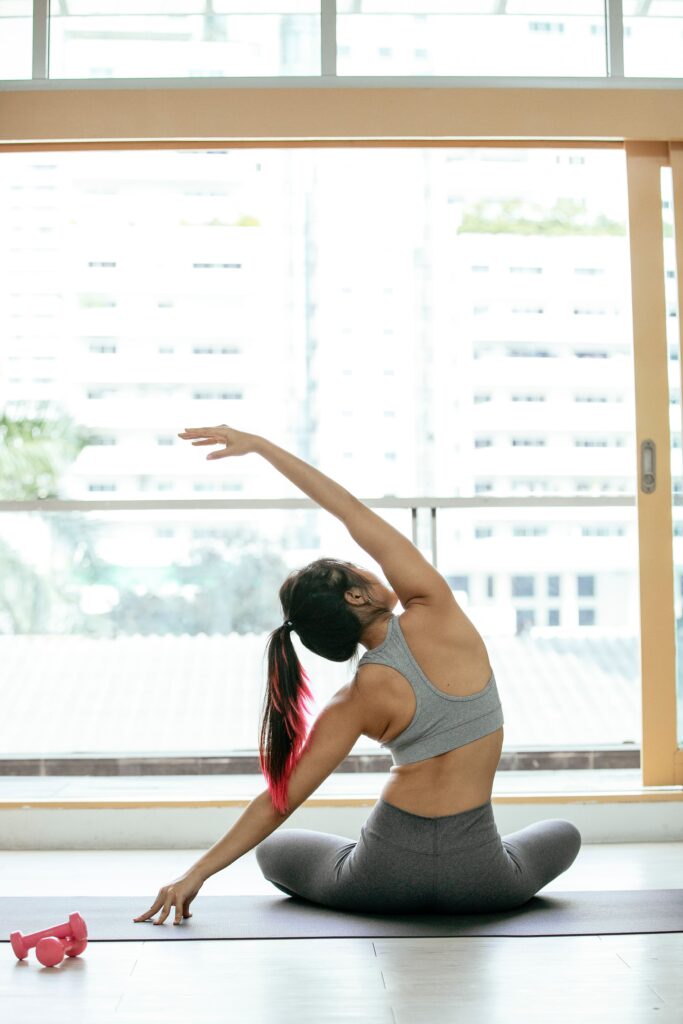
Cooling down helps your body recover and reduces muscle soreness.
Hamstring Stretch
Sit on the floor and reach toward your toes while keeping your legs straight.
Hold for 30 seconds.
Quadriceps Stretch
Stand on one leg and pull the opposite foot toward your glutes.
Hold for 30 seconds on each side.
Child’s Pose
Kneel on the floor, sit back onto your heels, and stretch your arms forward.
Hold for 45–60 seconds.
Shoulder Stretch
Pull one arm across your chest and gently hold it with the opposite arm.
Repeat on both sides.
Deep Breathing
Spend one to two minutes breathing slowly and deeply to relax your muscles and lower your heart rate.
Weekly Morning Workout at Home Plan
Following a weekly schedule prevents boredom and ensures all major muscle groups receive attention.
| Day | Workout Focus |
|---|---|
| Monday | Full-Body Strength |
| Tuesday | Cardio and Core |
| Wednesday | Yoga and Mobility |
| Thursday | Lower-Body Strength |
| Friday | Upper-Body Workout |
| Saturday | HIIT and Fat Burning |
| Sunday | Stretching and Recovery |
Changing your workouts throughout the week also reduces the risk of overuse injuries.
Trainer Tips to Maximize Results
Focus on Proper Form
Correct technique is more important than speed or the number of repetitions. Good form prevents injuries and ensures the right muscles are working.
Increase Intensity Gradually
Avoid trying advanced workouts immediately. Increase repetitions, sets, or workout duration slowly as your fitness improves.
Stay Consistent
The best workout plan is the one you can follow regularly. Exercising four to five times each week produces better long-term results than occasional intense sessions.
Track Your Progress
Record your workouts in a notebook or fitness app. Tracking helps you stay motivated and measure improvements in strength, endurance, and consistency.
Prioritize Sleep and Recovery
Recovery is just as important as exercise. Aim for 7–9 hours of quality sleep each night so your muscles can repair and grow stronger.
A well-balanced routine of exercise, rest, and proper nutrition will help you achieve lasting fitness results.
Common Mistakes to Avoid During a Morning Workout at Home
Even with the best intentions, many people make mistakes that can slow progress or increase the risk of injury. Being aware of these common errors will help you get better results from your morning workout at home.
Skipping the Warm-Up
Many people jump straight into intense exercises to save time. However, cold muscles are more prone to strains and injuries. A 5–10 minute warm-up prepares your body for movement by increasing blood circulation and improving joint mobility.
Using Incorrect Form
Poor exercise technique is one of the leading causes of workout-related injuries. Whether you’re performing squats, push-ups, or lunges, focus on proper posture instead of rushing through repetitions. If you’re unsure about your form, practice slowly in front of a mirror or follow guidance from a qualified fitness trainer.
Doing Too Much Too Soon
It’s natural to feel motivated when starting a new fitness routine, but overtraining can lead to muscle soreness, fatigue, and burnout. Begin with manageable workouts and gradually increase the intensity as your strength and endurance improve.
Ignoring Recovery Days
Your muscles need time to recover after exercise. Working out every day without proper rest may reduce performance and increase the risk of injury. Include at least one recovery day each week with light stretching, yoga, or a relaxing walk.
Not Drinking Enough Water
Maintaining energy levels and promoting muscle function require enough hydration. To replenish fluids lost through perspiration, drink water prior to, during, and after your workout.
What to Eat Before and After Working Out in the Morning
Nutrition plays a key role in maximizing the benefits of your morning workout at home. Eating the right foods before and after exercise helps improve performance, speed up recovery, and support muscle growth.
Best Pre-Workout Foods
If you’re exercising within 30–60 minutes of waking up, choose light and easily digestible foods such as:

- A banana
- Oatmeal
- Whole-grain toast with peanut butter
- A handful of nuts
- Low-fat yogurt
- A small fruit smoothie
These foods provide carbohydrates for energy without making you feel overly full during your workout.
Best Post-Workout Meals
After exercising, your body needs protein to repair muscles and carbohydrates to restore energy.
Healthy post-workout meal ideas include:
- Scrambled eggs with whole-grain toast
- Greek yogurt with berries
- Grilled chicken with brown rice
- Cottage cheese with fruit
- A protein smoothie with banana and milk
- Oats with nuts and seeds
Try to eat within one hour after your workout for the best recovery.
Importance of Hydration
Water supports every function in your body, including muscle contractions and temperature regulation. Start your day with a glass of water and continue drinking fluids throughout the day. If your workout is particularly intense or lasts longer than an hour, consider adding an electrolyte-rich drink to replace minerals lost through sweat.
Do You Need Equipment for a Morning Workout at Home?
One of the biggest advantages of a morning workout at home is that you don’t need expensive equipment to get started. Bodyweight exercises alone can help improve strength, endurance, and flexibility.
Effective Bodyweight Exercises
Some of the most effective no-equipment exercises include:
- Squats
- Push-ups
- Lunges
- Planks
- Mountain climbers
- Glute bridges
- High knees
- Burpees
These exercises target multiple muscle groups and can be modified to suit beginners or advanced fitness levels.
Optional Equipment to Improve Your Workouts
While equipment isn’t necessary, a few affordable items can add variety and increase resistance as you progress.
- Resistance Bands: Great for strength training and mobility exercises.
- Dumbbells: Help build muscle and increase workout intensity
- Jump Rope: Excellent for cardio and improving coordination.
- Kettlebell: Ideal for functional strength and full-body workouts.
- Foam Roller: Helps reduce muscle tightness and supports recovery.
Invest in equipment gradually based on your fitness goals and experience.
Morning Workout at Home for Beginners
If you’re new to exercise, don’t worry about completing advanced workouts right away. The goal is to build a sustainable habit.
Start Small
Begin with 15–20 minute sessions three or four days per week. As your fitness improves, increase the duration and intensity gradually.
Focus on Learning Proper Technique
Master the basics before adding more repetitions or resistance. Good form reduces the risk of injury and delivers better long-term results.
Listen to Your Body
It’s acceptable to feel a little challenged, but severe discomfort or extreme exhaustion are not. When necessary, take a break and give your body time to heal.
Stay Consistent
Consistency is the key to success. Even short daily workouts are more effective than occasional long sessions.
Celebrate Small Wins
Whether you’ve completed your first week of workouts or improved your plank time, celebrate your progress. Small achievements build motivation and encourage long-term commitment.
Frequently Asked Questions
Is a morning workout at home effective?
Yes. A well-planned morning workout at home can improve strength, cardiovascular fitness, flexibility, and overall health. Consistency is more important than where you exercise.
How long should a morning workout last?
Most people can achieve excellent results with a workout lasting 30 to 45 minutes. Beginners may start with 20 minutes and gradually increase the duration.
Should I eat before exercising in the morning?
If you’re doing a light workout, exercising on an empty stomach may be comfortable for some people. For moderate or intense workouts, a light snack such as a banana or yogurt can provide energy.
Can beginners work out every morning?
Yes, but it’s important to alternate workout intensity. Include active recovery days with stretching or yoga to allow your muscles to recover.
Can working out at home in the morning help me lose weight?
A morning workout can support weight loss when combined with a balanced diet and a calorie-controlled eating plan. Strength training and cardio together are especially effective.
What is the best time to exercise in the morning?
The best time is whenever you can exercise consistently. Many people prefer working out between 6:00 AM and 8:00 AM, but the ideal time depends on your schedule and personal preference.
Conclusion
A morning workout at home is one of the most effective ways to improve your physical and mental well-being without the need for expensive gym memberships or complicated equipment. By dedicating just 30 to 40 minutes each morning, you can build strength, improve cardiovascular health, boost energy levels, and develop healthy habits that last a lifetime.
The key to success is consistency. Start with realistic goals, learn proper exercise techniques, and gradually increase the intensity of your workouts as your fitness improves. Remember to warm up before every session, cool down afterward, stay hydrated, and fuel your body with nutritious foods to maximize your results.
Whether you’re a beginner taking your first steps toward a healthier lifestyle or someone looking to refresh your fitness routine, a structured home workout can help you achieve your goals. Stay patient, enjoy the process, and focus on making steady progress rather than chasing perfection.
Every morning is a new opportunity to invest in your health. Roll out your mat, commit to your routine, and take the first step toward becoming stronger, healthier, and more confident—right from the comfort of your home.