The Complete Guide to Fitness and the Gym
Table of Contents
Overview
It’s more crucial than ever to preserve excellent health in the fast-paced world of today. A gym is a specialized area where people concentrate on their physical strength, mental discipline, and general well-being; it’s more than just a location with machines and weights. Frequent exercise at the gym helps people maintain an active lifestyle, lower stress levels, and develop a strong, self-assured body. The gym provides planned training and expert advice to help you reach your long-term objectives, whether they are weight loss, muscular growth, endurance enhancement, or overall fitness.

A Gym: What Is It?
A gym is a sort of fitness center containing free weights, exercise machines, and areas for various workouts. Stretching, yoga, functional workouts, cardio, strength training, and occasionally sports and group activities are all included in modern gyms. From novices to elite athletes, gyms are appropriate for people of all ages and fitness levels.
The Value of a Gym in Today’s World
Lifestyle-related disorders like obesity, diabetes, and heart issues are becoming more prevalent due to increased work pressure, prolonged sitting, and improper eating habits. By encouraging physical exercise and good practices, going to the gym helps combat these problems. A gym offers a structured setting that inspires people to maintain consistency and dedication to their fitness objectives.
Strength Training Exercise Types in the Gym
The goals of strength training are to increase total strength, improve bone density, and build muscular mass. It consists of exercises with machines that target particular muscular parts including the arms, legs, shoulders, back, and chest as well as workouts with free weights like dumbbells and barbells.
Cardio Exercise
Cardio exercises improve heart health and stamina. Running on a treadmill, cycling, rowing, stair climbing, and elliptical training are popular cardio exercises in the gym. Frequent aerobics increases lung capacity, burns calories, and reduces fat.
Practical Instruction
Movements that enhance flexibility, balance, and coordination are part of functional training. The body is strengthened for daily tasks via exercises including lunges, squats, kettlebell workouts, and resistance band training.
Training for Losing Weight
Specialized weight loss programs that incorporate cardio, strength training, and high-intensity interval training (HIIT) are available at gyms. These exercises increase metabolism and aid in effective fat burning while maintaining muscle mass.
Building Muscle (Bulking)
Bulking regimens are intended for people who wish to gain more strength and size in their muscles. To promote muscle growth, these exercises emphasize gradual overload, healthy eating, and enough sleep.
Advantages for Physical Health
Frequent exercise at the gym enhances posture, muscle strength, flexibility, and endurance. Exercise lowers the risk of chronic illnesses like high blood pressure and heart disease, helps control weight, and strengthens bones.
Benefits of Mental Health
Endorphins, sometimes referred to as “feel-good hormones,” are released during gym sessions and aid in lowering tension, anxiety, and sadness. Frequent exercise increases confidence, elevates mood, and sharpens the mind.
Self-Control and Better Lifestyle
Attending the gym fosters consistency and discipline. It promotes healthy behaviors like getting enough sleep, eating a balanced diet, and managing your time, which results in a better lifestyle overall.
Trainers’ Function in the Gym
Expert fitness instructors are essential in helping members. They support the creation of individualized exercise regimens, guarantee proper form, guard against injuries, and offer inspiration. Trainers are particularly crucial for newcomers to develop a solid foundation and self-assurance.
The Uses of Gym Equipment
Modern gyms are outfitted with cutting-edge equipment. While machines like leg presses, chest presses, and lat pulldowns target particular muscles, treadmills and cycles are utilized for cardio. Dumbbells and barbells are examples of free weights that aid in the development of strength and coordination.

Good Nutrition
Beginner’s Gym
Beginners should take their time and concentrate on mastering the right methods. Stretching and warming up are crucial for preventing injuries. A beginner-friendly regimen often consists of cool-down stretches, simple strength exercises, and light cardio.
Injury Prevention and Gym Safety
In the gym, safety is of utmost importance. Injuries can be avoided by maintaining proper posture, warming up before exercises, avoiding overtraining, and according to trainer instructions. It’s important to pay attention to your body and give yourself enough time to heal.
Exercise and Managing Weight
Gyms are crucial for managing weight. Frequent exercise helps maintain a healthy body composition, boost metabolism, and burn calories. Sustainable weight control is ensured by combining exercise at the gym with a healthy
Motivation and Group Classes
Group exercises like Zumba, yoga, spinning, and HIIT are available at many gyms. These classes foster an enjoyable and inspiring atmosphere that makes exercising fun and promotes social interaction.
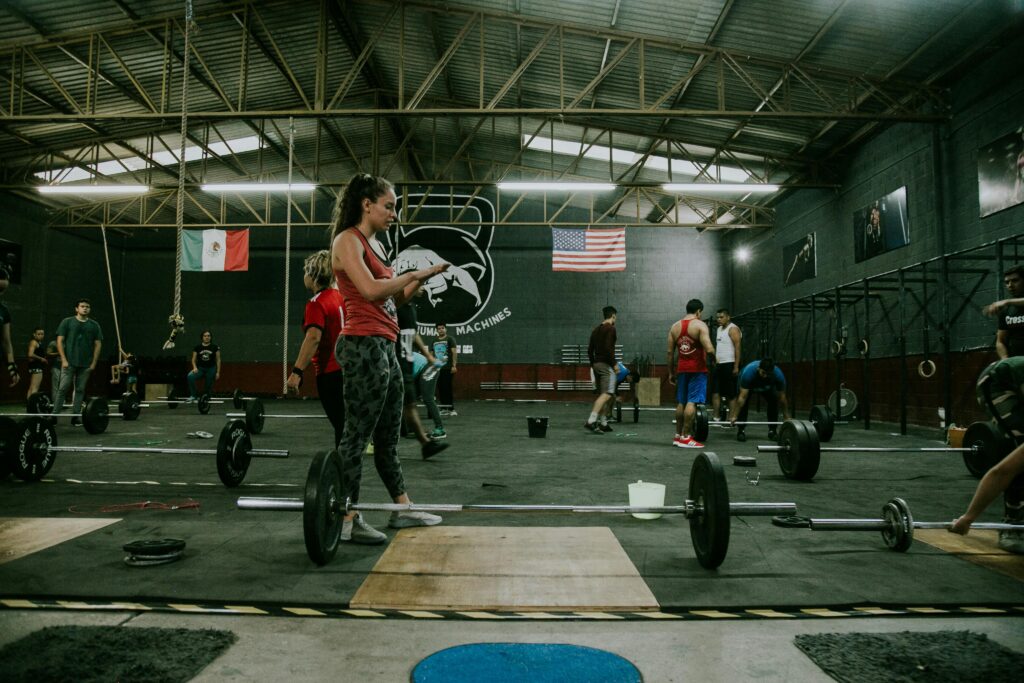
Going to the gym as a way of life
For many, going to the gym becomes more than just a routine—it becomes a way of life. It fosters self-assurance, self-control, and optimism. Frequent gym patrons frequently report increased energy, increased productivity, and a more positive view on life.
In conclusion
The gym is an effective instrument for changing your body, mind, and way of life; it’s more than just a place to work out. Anyone can reach their fitness objectives with the correct exercise regimen, healthy diet, and persistent effort. The gym offers the tools, direction, and inspiration need to live a healthy, active, and self-assured life, regardless of your level of experience.