
# Drinking 4 Liters Water a Day: Benefits, Risks, and How to Do It Safely
One of the most vital elements your body requires on a daily basis is water. Water is essential for the normal operation of every cell, tissue, and organ. Yet many people wonder whether drinking 4 liters water a day is healthy or too much. Some fitness experts recommend it, while others believe your water intake should depend on your body size, activity level, and climate.
The truth is that drinking 4 liters water a day can be beneficial for some people, but it is not the perfect amount for everyone. Athletes, people who exercise regularly, or those living in hot weather may benefit from higher water intake. However, drinking excessive water without your body needing it can also cause health problems.
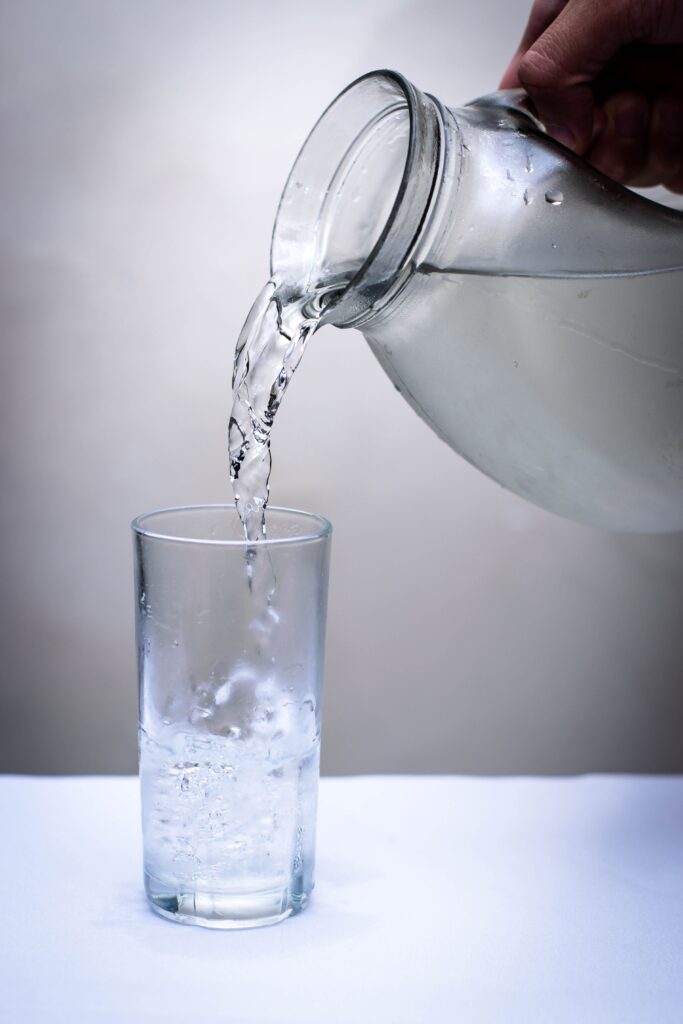
In this guide, you’ll learn the benefits, risks, who should drink 4 liters daily, who should avoid it, and the safest way to stay hydrated.
What Does Drinking 4 Liters Water a Day Mean?
Drinking 4 liters water a day means consuming about 4,000 milliliters or approximately:
| Measurement | Equivalent |
|---|---|
| Liters | 4 L |
| Milliliters | 4,000 ml |
| Glasses (250 ml) | 16 glasses |
| Bottles (500 ml) | 8 bottles |
Keep in mind that your body also gets water from foods like fruits, vegetables, soups, and milk.
How Much Water Does the Average Adult Need?
Although 4 liters sounds like a good goal, general recommendations vary.
- Women: Around 2–2.7 liters daily
- Men: Around 2.5–3.7 liters daily
- Athletes: Often need more than 4 liters
- People in hot climates: May require additional fluids
Instead of following one fixed number, listen to your body’s thirst signals and consider your daily activities.
Benefits of Drinking 4 Liters Water a Day
When your body actually needs this amount, drinking 4 liters water a day offers several health benefits.
1. Keeps Your Body Properly Hydrated
Hydration is essential for every body function. Water helps transport nutrients, regulate temperature, and support healthy organs.
Proper hydration can help:
- Reduce dehydration
- Improve circulation
- Support muscle function
- Prevent fatigue
2. Supports Healthy Skin
Water alone won’t completely transform your skin, but staying hydrated helps maintain skin moisture.
Benefits include:
- Better skin elasticity
- Less dryness
- Healthier appearance
- Reduced dullness
Remember that good skincare also depends on nutrition, sleep, and sun protection.
3. Improves Digestion
Many digestive problems become worse when you’re dehydrated.
Drinking enough water helps:
- Break down food
- Move waste through the intestines
- Reduce constipation
- Support nutrient absorption
Adding enough water to a fiber-rich diet can improve digestive health significantly.
4. May Help With Weight Management
Many people begin drinking 4 liters water a day because they want to lose weight.
Water may support weight management by:
- Helping you feel full before meals
- Replacing sugary drinks
- Supporting exercise performance
- Preventing unnecessary snacking caused by thirst
However, water alone cannot burn fat. A balanced diet and regular exercise remain the most important factors.
5. Boosts Energy Levels
Even mild dehydration may cause:

- Tiredness
- Difficulty concentrating
- Low energy
- Headaches
Staying hydrated allows your body to work efficiently, helping you stay active throughout the day.
6. Supports Kidney Health
Your kidneys filter waste from your blood.
Adequate water intake helps:
- Remove toxins
- Produce urine
- Reduce the risk of certain kidney stones in some people
- Maintain healthy kidney function
People with kidney disease should always follow their doctor’s advice about fluid intake.
7. Improves Physical Performance
If you exercise regularly, drinking 4 liters water a day may help replace fluids lost through sweat.
Benefits include:
- Better endurance
- Improved muscle performance
- Lower risk of heat exhaustion
- Faster recovery
Athletes may also need electrolytes during prolonged exercise.
8. Helps Regulate Body Temperature
Your body cools itself through sweating.
Without enough water:
- Body temperature rises
- Heat exhaustion becomes more likely
- Exercise feels harder
- Fatigue increases
Proper hydration becomes even more important during summer months.
Can Drinking 4 Liters Water a Day Help With Weight Loss?
One of the most often asked questions on the internet is this one.
The answer is yes—but only indirectly.
Water supports healthy weight loss by encouraging healthier habits rather than directly burning fat.
Drinking Water Before Meals
Studies suggest drinking water before eating may help some people eat fewer calories because they feel fuller.

Replacing Sugary Drinks
Instead of drinking:
- Soft drinks
- Sweetened juices
- Energy drinks
Choose water instead. This simple change can reduce daily calorie intake.
Supports Exercise
When you’re hydrated:
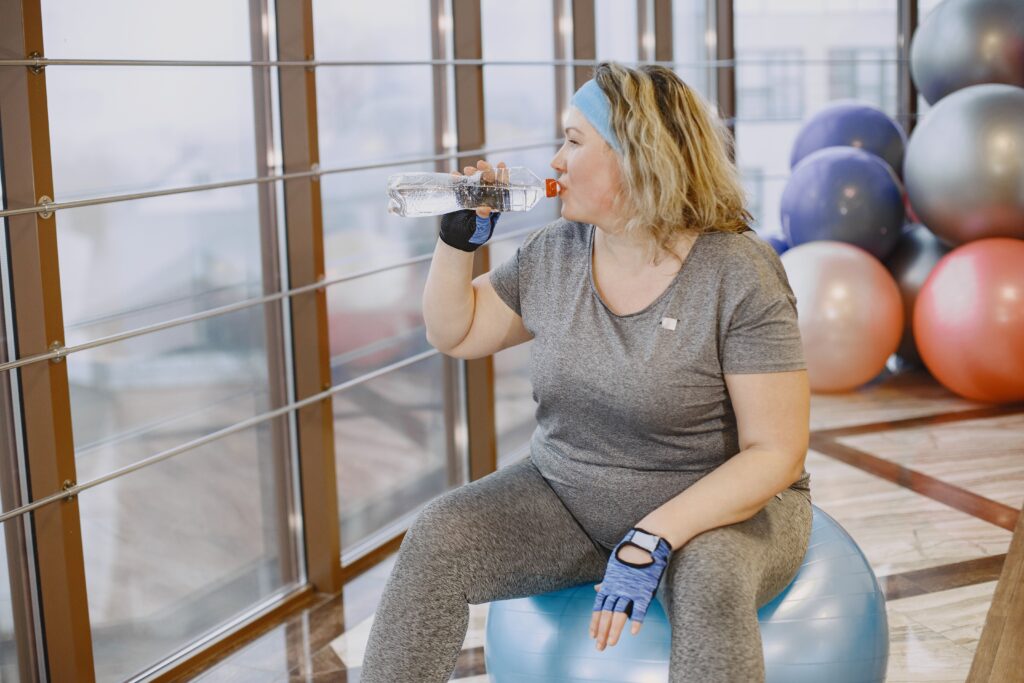
- Workouts feel easier
- Muscles perform better
- Recovery improves
- You may exercise longer
Does Water Increase Metabolism
Some research suggests drinking cold water may slightly increase calorie burning because the body warms the water. However, the effect is very small and should not be relied on for weight loss.
Who Should Drink 4 Liters Water a Day?
Not everyone needs this much water. However, some people naturally require higher fluid intake.
Active Individuals
People who:
- Lift weights
- Run regularly
- Play sports
- Cycle frequently
often lose more fluids through sweat.
People Living in Hot Weather
Hot temperatures increase sweating, making drinking 4 liters water a day more reasonable for some individuals.
Outdoor Workers
Construction workers, farmers, delivery workers, and others working outdoors often need more water throughout the day.
Athletes
Professional athletes usually drink more than average because of intense training sessions.
People Eating High-Protein Diets
Higher protein intake may increase water requirements, making adequate hydration even more important.
Who Should Avoid Drinking 4 Liters Water a Day?
Although drinking 4 liters water a day can be healthy for many active people, it is not recommended for everyone. Your body’s water needs depend on age, health, activity level, climate, and certain medical conditions.
1. People with Kidney Disease
If your kidneys are not working properly, drinking too much water can make it harder for them to remove excess fluid. Always follow your doctor’s advice about how much water you should drink.
2. People with Heart Conditions
Some heart conditions require limiting fluid intake because excess water can increase the workload on the heart.
3. People with Liver Disease
Certain liver conditions may cause fluid buildup in the body. In these cases, drinking large amounts of water may not be appropriate.
4. Anyone Told to Restrict Fluids
If your healthcare provider has recommended limiting fluids, do not start drinking 4 liters water a day without medical advice.
Risks of Drinking 4 Liters Water a Day
Water is essential, but too much water can also be harmful. Drinking more than your body needs can upset the balance of electrolytes, especially sodium.
1. Overhydration
When you consume more water than your kidneys can eliminate, you become overhydrated.
Possible symptoms include:
- Feeling bloated
- Frequent urination
- Nausea
- Mild headache
2. Water Intoxication
In rare cases, drinking excessive water very quickly can cause water intoxication, a serious condition that requires immediate medical attention.
Symptoms may include:
- Confusion
- Vomiting
- Muscle weakness
- Seizures
- Loss of consciousness
3. Low Sodium Levels (Hyponatremia)
Too much water can dilute the sodium in your blood. This condition is called hyponatremia and can become dangerous if not treated.
People at higher risk include:
- Marathon runners
- Endurance athletes
- People drinking excessive water in a short time
4. Interrupted Sleep
If you drink large amounts of water before bedtime, you may wake up several times during the night to urinate, reducing sleep quality.
Signs You May Be Drinking Too Much Water
Watch for these warning signs:
- Urine is completely clear all day
- Constant need to urinate
- Swollen hands or feet
- Headaches
- Nausea
- Feeling unusually tired
- Difficulty concentrating
If these symptoms occur, reduce your water intake and consult a healthcare professional if symptoms continue.
How to Drink 4 Liters Water a Day Safely
If your body needs this amount, avoid drinking it all at once. Spread your intake throughout the day.
Follow These Simple Tips
- Drink a glass after waking up.
- Carry a reusable water bottle.
- Sip water regularly instead of drinking large amounts at once.
- Drink extra water during exercise or hot weather.
- Eat water-rich fruits and vegetables.
- Replace sugary drinks with water.
- Drink when you feel thirsty rather than forcing excessive amounts.
Best Times to Drink Water
A simple schedule can help you stay hydrated without overloading your body.
| Time | Water Intake |
|---|---|
| After waking up | 500 ml |
| Before breakfast | 250 ml |
| Mid-morning | 500 ml |
| Before lunch | 500 ml |
| Afternoon | 750 ml |
| Before workout | 250 ml |
| After workout | 500 ml |
| Evening | 500 ml |
| Before bed (optional) | Small glass |
Total: Approximately 4 Liters
Foods That Help Keep You Hydrated
Water doesn’t only come from drinks. Many foods contain a high percentage of water and contribute to your daily hydration.
| Food | Water Content |
|---|---|
| Watermelon | 92% |
| Cucumber | 96% |
| Strawberries | 91% |
| Oranges | 87% |
| Lettuce | 95% |
| Celery | 95% |
| Tomatoes | 94% |
Including these foods in your diet can make it easier to stay hydrated.
Common Myths About Drinking 4 Liters Water a Day
Myth 1: Everyone Needs Exactly 4 Liters
Reality: Water needs vary depending on age, body size, activity level, climate, and overall health.
Myth 2: More Water Is Always Better
Reality: Drinking excessive water can lead to overhydration and electrolyte imbalance.
Myth 3: Clear Urine Means Perfect Hydration
Reality: Pale yellow urine is generally considered a better sign of healthy hydration. Constantly clear urine may indicate you’re drinking more water than necessary.
Myth 4: Coffee and Tea Don’t Count
Reality: Coffee and tea do contribute to your daily fluid intake, although plain water remains the best choice for hydration.
Daily Hydration Tips
Staying hydrated doesn’t have to be difficult. Try these practical habits:
- Carry a reusable water bottle wherever you go.
- Set reminders on your phone to drink water.
- Flavor water with lemon, mint, or cucumber if you find plain water boring.
- Eat fruits and vegetables with high water content.
- Drink extra fluids during exercise or hot weather.
- Pay attention to your body’s thirst signals.
Frequently Asked Questions (FAQs)
Is drinking 4 liters water a day safe?
Yes, for many healthy and active adults, drinking 4 liters water a day can be safe. However, it may be too much for some people, especially those with certain medical conditions.
Can drinking 4 liters water a day improve skin?
Proper hydration supports healthy skin, but drinking extra water alone will not eliminate wrinkles or acne.
Will drinking 4 liters water a day help me lose weight?
It can support weight loss by helping control appetite, replacing sugary drinks, and improving workout performance. It is not a direct fat-burning solution.
Is 4 liters too much for women?
It depends on body size, activity level, climate, and health. Some women may need less, while very active women may require more.
Can I drink 4 liters in one sitting?
No. Drinking large amounts of water at once can increase the risk of water intoxication. Spread your intake throughout the day.
How do I know if I’m drinking enough water?
A good sign is light yellow urine, regular urination, normal energy levels, and feeling satisfied rather than excessively thirsty.
Conclusion
Drinking 4 liters water a day can be a healthy habit for active individuals, athletes, and people living in hot climates. Proper hydration supports digestion, kidney function, exercise performance, body temperature regulation, and overall well-being.
However, more water is not always better. Your ideal daily intake depends on your age, body size, activity level, environment, and medical conditions. Overconsumption might result in electrolyte imbalance and overhydration.
The best approach is to drink water consistently throughout the day, include water-rich foods in your meals, and listen to your body’s thirst signals. If you have kidney disease, heart problems, or another medical condition affecting fluid balance, speak with your healthcare provider before increasing your water intake.
By making hydration a regular part of your healthy lifestyle, you can enjoy the benefits of water while avoiding the risks of drinking too much.